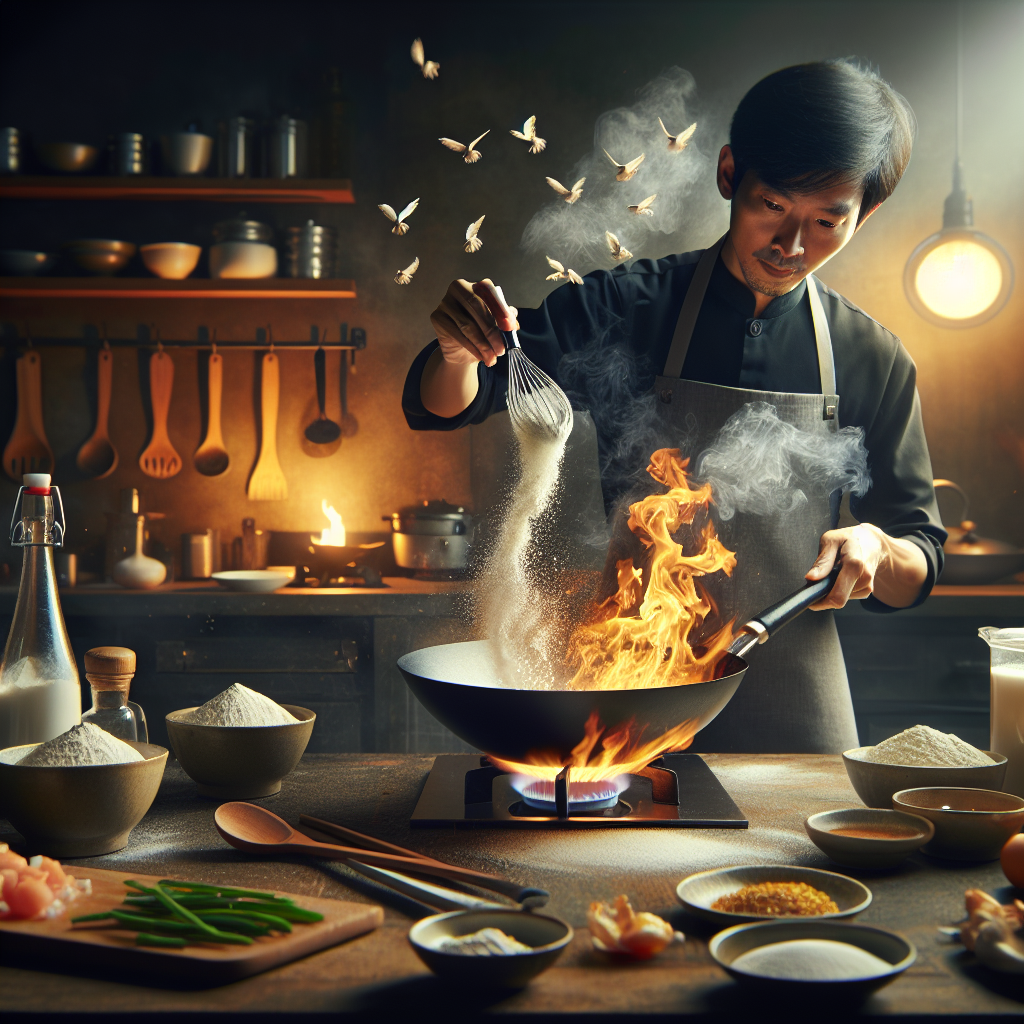
Definition
Cornstarch is a fine, powdery starch made from the endosperm of corn kernels. It is commonly used as a thickening agent in cooking and baking, as it has the ability to absorb and hold moisture, resulting in a thickened and smooth texture. Cornstarch is also often used in recipes to create a crispy coating on fried foods.
Mechanisms
Cornstarch Slurry: Mix cornstarch with cold water to create a slurry before adding it to your recipe. This helps prevent lumps from forming and ensures that the cornstarch dissolves evenly.
Heat Control: When using cornstarch as a thickening agent, be sure to bring your mixture to a gentle simmer. Boiling the mixture can cause the cornstarch to break down and lose its thickening power.
Stir Constantly: While adding the cornstarch slurry to your recipe, stir constantly to prevent lumps from forming. This also helps the cornstarch distribute evenly throughout the dish.
Cooling: After adding the cornstarch slurry, allow your dish to simmer for a few minutes to thicken, then remove it from the heat. The cornstarch will continue to thicken as it cools, so let it sit for a few minutes before serving.
Dualities
Cornstarch and Thickening: When using cornstarch as a thickening agent, it’s important to cook it properly to avoid a raw taste. Overcooking cornstarch, however, can cause it to break down and lose its thickening power. It’s crucial to bring the mixture to a boil to activate the thickening properties of the cornstarch, but then remove it from heat to prevent overcooking.
Cornstarch in Frying: Cornstarch is commonly used to coat foods for frying, providing a crispy texture. The key is to ensure the oil is hot enough to create a seal around the food, preventing oil absorption. On the other hand, overheating the oil can cause the cornstarch coating to burn before the food cooks through, so it’s important to maintain the right temperature.
Cornstarch in Baking: In baking, cornstarch can be used to create a tender texture in cakes and cookies. It can also be used as a thickening agent in fruit fillings for pies. However, it’s important to use it in moderation to avoid a chalky or dry texture. Overusing cornstarch in baking can result in an unpleasant mouthfeel and dry, crumbly textures in the finished product.
Culinary Techniques
When thickening sauces or soups, cornstarch can be a great alternative to flour because it’s a pure starch that has twice the thickening power of flour. To use it, mix the cornstarch with cold water to create a slurry, and then whisk it into your hot liquid. Be sure to bring the mixture to a boil to activate the thickening properties of the cornstarch. This method is great for creating a glossy, translucent finish to your sauces and gravies. Remember to use caution and add the cornstarch slurry slowly to avoid over-thickening your dish.
For a crispy coating on fried foods, try using cornstarch instead of flour or breadcrumbs. The fine texture of the cornstarch creates a delicate, crunchy crust that is perfect for enhancing the texture of your fried chicken, shrimp, or vegetables. Simply dredge your food in cornstarch before dipping it in a wet batter or egg wash, and then fry as usual. This technique will give your fried dishes a light and crispy texture that your friends and family will love.
Nutritional Frameworks
Glycemic Index: Cornstarch cooked to a gelatinous consistency has a high glycemic index, causing a rapid spike in blood sugar levels. It is important to be mindful of portion sizes when consuming foods made with cornstarch to manage blood sugar levels.
Digestibility: Cornstarch that is thoroughly cooked and used in moderation is easier for the body to digest compared to consuming it raw. Cooking cornstarch breaks down the starch, making it easier for the body to process and absorb the nutrients.
Satiety: Foods made with cornstarch, when consumed in moderation, can contribute to feelings of fullness due to their higher carbohydrate content. It’s important to pair cornstarch-containing dishes with protein, fiber, and healthy fats to prolong satiety and prevent overeating.
Nutrient Retention: Opt for recipes that cook cornstarch just until it reaches a translucent, thickened consistency to help retain the nutrient content. Overcooking cornstarch can cause nutrient loss, so it’s important to follow recipes that include specific cooking times for best results.
Food Safety Protocols
When using cornstarch in cooking, it’s important to follow food safety protocols to ensure its safe consumption. Here are some key safety tips:
Proper Handling: When using cornstarch as a thickening agent in sauces or soups, always make sure to mix it with a cold liquid before adding it to hot liquids to prevent clumping. This helps to ensure that the cornstarch is evenly dispersed and prevents the growth of bacteria.
Thorough Cooking: When using cornstarch to thicken a dish, make sure to cook it for at least 1-2 minutes after adding the cornstarch slurry to ensure that the starch is fully cooked. This eliminates any possibility of consuming raw cornstarch, which can be difficult to digest.
Storage: Store cornstarch in a cool, dry place away from moisture to prevent spoilage and the growth of mold or bacteria. Make sure to check the expiration date and discard any cornstarch that is past its prime.
By following these protocols, you can enjoy your dishes thickened with cornstarch without any concerns about food safety.
Core Elements in Recipe
Cornstarch: Use high-quality cornstarch for the best results in your recipes. Different brands may have different levels of cornstarch fineness, which can affect the texture of your dish.
Liquid: Use the right amount of liquid when mixing cornstarch to avoid lumps. Typically, you’ll mix cornstarch with cold water before adding it to a hot liquid in the recipe.
Heat: Cornstarch needs to be heated to a boiling point to thicken properly. Stir constantly to prevent lumps and ensure even thickening.
Timing: Cook the cornstarch mixture for the recommended time in the recipe to activate its thickening properties. Be careful not to overcook, as this can cause the mixture to thin out again.
Consistency: The cornstarch mixture should have a glossy, translucent appearance when it’s properly cooked. If it looks cloudy, it may need more cooking time.
Stats and Facts
Thickening Power: Cornstarch has a high thickening power compared to flour, making it an ideal choice for thickening sauces, soups, and gravies. This is because cornstarch contains larger granules that gelatinize at a lower temperature, resulting in a smooth and clear texture without affecting the flavor of the dish.
Gluten-Free Alternative: Cornstarch is naturally gluten-free, making it a suitable ingredient for those with celiac disease or gluten sensitivities. It can be used as a substitute for flour in many recipes, including baking, to achieve similar results without the gluten content.
Enhanced Crispiness: When used in coating mixtures for frying, cornstarch can create a crispier texture compared to flour or other starches. The fine texture of cornstarch creates a thin, delicate coating that crisps up beautifully when fried, perfect for dishes like fried chicken or tempura.
Lower Caloric Content: Cornstarch has a lower calorie content compared to flour, making it a suitable option for those looking to reduce calorie intake. One tablespoon of cornstarch contains approximately 30 calories, making it an efficient thickening agent without significantly adding to the overall calorie count of a dish.
Cooking Alternatives
1. Dietary Needs: Low-Carb Options
For those following a low-carb diet, options like spiralized vegetables or shirataki noodles can be used as a substitute for traditional pasta. These alternatives can be cooked al dente by stir-frying or boiling for a short amount of time. They not only provide a similar texture to pasta but also pair wonderfully with a variety of sauces and proteins, making them versatile for many recipes. For an elevated touch, consider integrating them into a ballotine dish preparation technique, where meats or vegetables can be rolled or stuffed to create a stunning and flavorful presentation. This approach allows for the incorporation of low-carb ingredients while showcasing creativity and finesse in the kitchen.
2. Vegan/Vegetarian Substitutions
For a vegan or vegetarian option, zucchini noodles (zoodles) or spaghetti squash can be used as a pasta substitute. These alternatives can be cooked al dente by sautéing or roasting until just tender but still slightly firm.
3. Budget-Friendly Options
To save money, consider using grains such as quinoa or bulgur as a pasta alternative. These options can be cooked al dente by boiling for a specific amount of time similar to pasta.
4. Global Cuisines Alternatives
Explore global cuisine by using Asian rice noodles or glass noodles as a substitute for traditional pasta. These noodles can be cooked al dente by following the package instructions closely, usually requiring just a few minutes of boiling.
5. Healthy Eating
For a healthier option, try using spiralized beets or sweet potato noodles as a pasta alternative. These options can be cooked al dente by boiling or steaming until just tender but still firm.